

When One Video Moves a Country: 10 Days from Viral Video to Law – What’s Next?

<< All Resources
Share:

In the last week and a half, Brazil moved fast: a huge public debate about “adultização” (pushing kids to act like adults online), arrests, and a bill pushed forward quickly. This shows the topic is urgent, but we also need to act wisely, not only fast.

What happened – 10-day timeline:

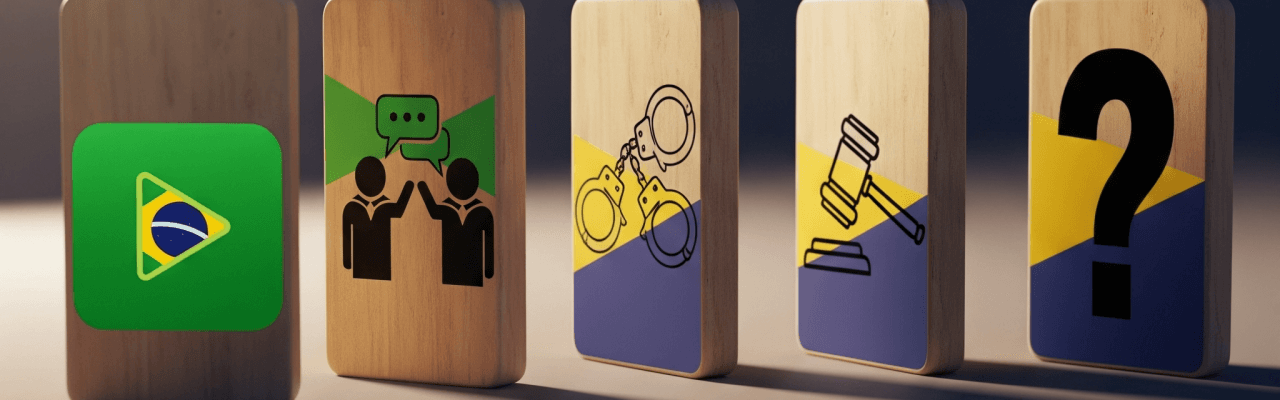
  • August 6 – YouTuber Felca posts a long video on “adultização.” It goes viral and starts a national conversation.
  • August 11 – Reports say there are active investigations and that some accounts were removed. The story leads the news.
  • August 15 – Influencer Hytalo Santos and his spouse are arrested as part of cases tied to harm and exploitation of minors.
  • August 19 – The Chamber of Deputies approves fast-track status for a child online-safety bill.
  • August 20–21 – The main draft passes in the Chamber, and the bill goes back to the Senate for more debate.

What we do need: smart rules + one global device standard

We should build an open, global standard for child safety on devices, made by regulators, operating-system makers (iOS/Android/Windows/macOS/ChromeOS), device makers, platforms, and child-safety companies. Key ideas:

  • One clear approach across apps and platforms: not a patchwork where every app has different settings and parents must search in each one to protect their kids.
  • Built-in OS tools for child-risk and wellbeing signals (chat, media, location, screen time), with parent choice to turn them on and to turn them off.
  • Parent-approved oversight by trusted child-safety services: the standard should let certified services, with the parent’s permission, watch for risk signals across apps/devices and raise quick alerts when a child needs help or attention.
  • Privacy by design: do as much as possible on the device, keep only the data you need, use strong encryption, and store data safely (on device and/or secure cloud).
  • Clear and checkable: exportable logs, strong security rules, and independent labs to test and certify.
  • Works well with others: a shared way to handle key features (filtering, risk signals, parental controls) so parents can switch providers without losing basic functions.
  • Right duties for platforms (age checks, exposure limits, reporting paths), aligned with the device layer so nothing falls through the cracks.
  • Simple success metrics: fewer cases of harm, faster response times, and better alerts (fewer false alarms and fewer missed cases), plus real gains in child wellbeing.

Bottom line

Brazil’s wake-up call is important, and it’s a chance to do better. Let’s turn this energy into a single, comprehensive standard on devices plus balanced rules for platforms. We can truly protect kids, without putting impossible pressure on parents and without killing innovation. One clear standard, plus parent-approved oversight by trusted safety services, can make it practical to spot risks and alert parents when they need to step in.

I’d love to hear your thoughts: what principles would you add to such a standard?


Royi Cohen

CEO @ PureSight | Global expert on Online Child Safety, developing platforms and services for the global market.
regulation, Sexting, social media

Who Will Take on This Global Mission to Protect Our Children Online?

<< All Resources
Share:

Who Will Take on This Global Mission to Protect Our Children Online?

Recently, two young girls in Israel, just 7 and 10 years old, were rushed to the hospital after swallowing coins. One of them even required surgery to remove the coin from her airway. The reason? A viral TikTok challenge where children attempt to “make a coin disappear” and pull it out of their mouths.

Following these incidents, a hospital doctor issued a warning to parents: “We discovered a TikTok challenge caused this. Parents, especially now during the summer vacation, please pay close attention to what your children are doing online, and explain the risks to them.”

The Age Factor Matters

The critical point here is age. Social media trends and pressures are already influencing children as young as 7.

These platforms don’t just affect teens; they shape behaviors at even younger ages, when kids are most vulnerable.

Australia has already taken bold action, passing legislation that bans children under 16 from using platforms like TikTok, Snapchat, and, more recently, YouTube. While I’m not sure how practical or enforceable such laws will be, I also don’t believe in completely blocking platforms that have become deeply embedded in modern life. Social media can carry risks—but it also provides opportunities and benefits.

A Balanced Approach: Delay, Then Guide

What I do believe in is delaying exposure. Parents and communities should work together to postpone the age at which children join digital platforms, helping reduce social pressure on any single child. And when the time comes for them to enter the digital world, they must not walk in alone.

Just as we guide our kids in the physical world, teaching them how to cross the street safely or how to handle difficult social situations, we must also guide them in the digital world. Sitting on the couch while your child scrolls on their phone, with no idea who they’re talking to, what they’re watching, or what challenges they’re trying, is no longer acceptable.

Parents Must Step In

The first generation of parents largely dismissed this responsibility, saying, “There’s nothing we can do.” But today, an increasing number of parents understand that digital safety is our responsibility. And thankfully, there are services and technologies available that allow parents to be informed and provide guidance, even when their children are using personal devices and social media platforms.

Regulation: Privacy vs. Protection

Here lies one of the greatest challenges of our time: balancing children’s right to privacy with the need for protective monitoring. To keep kids safe, we must allow authorized services to collect limited, transparent data on children’s online activities, not to sell, not to exploit, but to alert parents when risks arise and intervention is needed.

This is a complex challenge, but solvable. A global standard can be created: when a child’s profile is active on a device, authorized safety services should be able to monitor activity, while ensuring data is shared only with the parents, in a transparent and regulated way.

A Call to Action

This, in my view, should be the mission of global regulation. Not just banning access. Not just turning a blind eye. But creating a structured, transparent framework where parents can fulfill their duty to guide and protect their children in the digital world.

So I ask: Who will take on this global mission?

CEO @ PureSight | Global expert on Online Child Safety, developing platforms and services for the global market.

online child safety, prevention, regulation, safe internet use
Don’t wait, Schedule Puresight demo today!