

Who Will Take on This Global Mission to Protect Our Children Online?

<< All Resources
Share:

Who Will Take on This Global Mission to Protect Our Children Online?

Recently, two young girls in Israel, just 7 and 10 years old, were rushed to the hospital after swallowing coins. One of them even required surgery to remove the coin from her airway. The reason? A viral TikTok challenge where children attempt to “make a coin disappear” and pull it out of their mouths.

Following these incidents, a hospital doctor issued a warning to parents: “We discovered a TikTok challenge caused this. Parents, especially now during the summer vacation, please pay close attention to what your children are doing online, and explain the risks to them.”

The Age Factor Matters

The critical point here is age. Social media trends and pressures are already influencing children as young as 7.

These platforms don’t just affect teens; they shape behaviors at even younger ages, when kids are most vulnerable.

Australia has already taken bold action, passing legislation that bans children under 16 from using platforms like TikTok, Snapchat, and, more recently, YouTube. While I’m not sure how practical or enforceable such laws will be, I also don’t believe in completely blocking platforms that have become deeply embedded in modern life. Social media can carry risks—but it also provides opportunities and benefits.

A Balanced Approach: Delay, Then Guide

What I do believe in is delaying exposure. Parents and communities should work together to postpone the age at which children join digital platforms, helping reduce social pressure on any single child. And when the time comes for them to enter the digital world, they must not walk in alone.

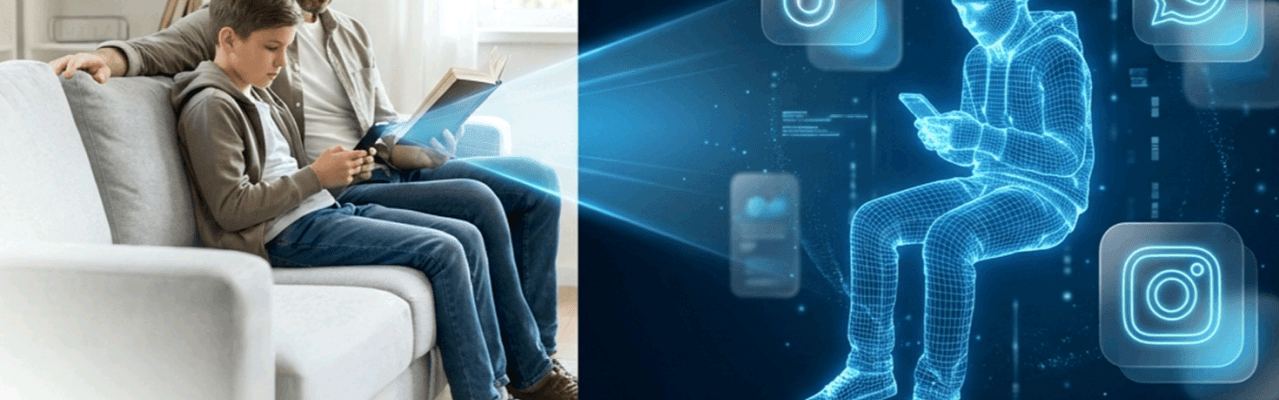
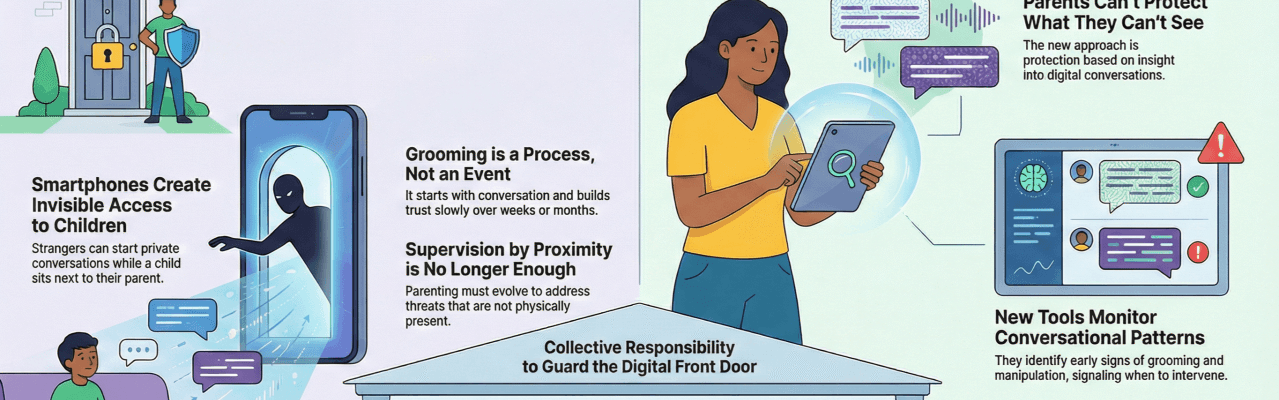
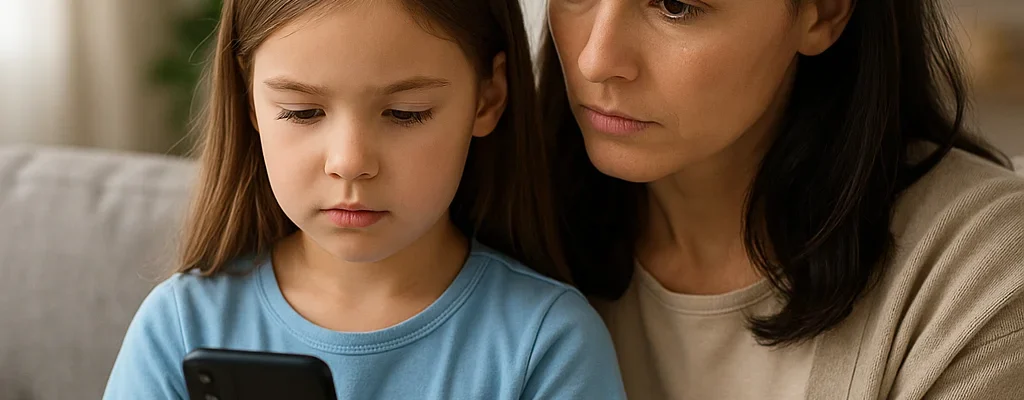
Just as we guide our kids in the physical world, teaching them how to cross the street safely or how to handle difficult social situations, we must also guide them in the digital world. Sitting on the couch while your child scrolls on their phone, with no idea who they’re talking to, what they’re watching, or what challenges they’re trying, is no longer acceptable.

Parents Must Step In

The first generation of parents largely dismissed this responsibility, saying, “There’s nothing we can do.” But today, an increasing number of parents understand that digital safety is our responsibility. And thankfully, there are services and technologies available that allow parents to be informed and provide guidance, even when their children are using personal devices and social media platforms.

Regulation: Privacy vs. Protection

Here lies one of the greatest challenges of our time: balancing children’s right to privacy with the need for protective monitoring. To keep kids safe, we must allow authorized services to collect limited, transparent data on children’s online activities, not to sell, not to exploit, but to alert parents when risks arise and intervention is needed.

This is a complex challenge, but solvable. A global standard can be created: when a child’s profile is active on a device, authorized safety services should be able to monitor activity, while ensuring data is shared only with the parents, in a transparent and regulated way.

A Call to Action

This, in my view, should be the mission of global regulation. Not just banning access. Not just turning a blind eye. But creating a structured, transparent framework where parents can fulfill their duty to guide and protect their children in the digital world.

So I ask: Who will take on this global mission?

online child safety, prevention, regulation, safe internet use

🎮 Games, Manipulation, and Our Role as Digital Parents

<< All Resources
Share:

🎮 Games, Manipulation, and Our Role as Digital Parents

n 2024, over 3.3 billion people around the world played video games. Games have become one of the most dominant entertainment platforms globally — enjoyed by children, teens, and adults alike. They are exciting, interactive, and often social. But beneath the fun, there’s a serious problem that many parents, and even regulators, are only beginning to truly understand.

Earlier this year, between March 31 and April 11, 2025, the International Consumer Protection and Enforcement Network (ICPEN) conducted a global sweep of 439 mobile and online games. The results were alarming.

🧠 What They Found: Games Use Manipulation by Design

ICPEN’s sweep revealed that many games use manipulative design techniques – psychological tactics built into the game experience to keep players engaged longer and spending more. These methods are used on all players, but they’re especially dangerous for children.

The most common tactics included:

  • Sneaking – hiding critical information from players (like costs or limits).
  • Nagging – constant reminders or pressure to make in-game purchases.
  • Obstruction – making it hard to skip or avoid certain actions unless you pay or wait.

In addition, many games use “urgency tricks”, messages like “Limited Time Offer” or “Only 2 Left!” to make players feel like they have to act fast. ICPEN found that some of these offers were not even real; they were just pressure tactics.

🎮 Even Games for 3-Year-Olds Use These Tricks

What’s perhaps most disturbing is that these manipulative techniques aren’t just in games for teenagers or adults. ICPEN found that:

  • Loot boxes, in-game purchases, and ads are just as common in games rated for ages 3 and up as in other games.
  • Only 30% of games that included loot boxes actually disclosed this in the game’s download page or description.

So not only are our kids exposed to this, we often don’t even know it’s happening.

👨👩👧👦 Our Kids Are Up Against Experts. They Need Us.

As parents, we must face a difficult truth: When our children play these games, they are not just having fun. They are being influenced by teams of professionals, game designers, behavioral scientists, and monetization experts, all working to keep them playing and spending.

It’s not a fair fight. Our kids are just kids. They don’t know how to resist these tactics, and why should they? Even adults often fall into the same traps.

That’s why we, the parents, need to step in.

We must:

  • Know how much time our children spend on screens.
  • Understand what they’re doing during that time.
  • Talk to them openly about what’s okay and what’s not.
  • Help them break habits that lead to addiction or overspending.

🧭 But That’s Easier Said Than Done

The truth is, today’s parents are dealing with challenges that didn’t exist a generation ago. Give a child a smartphone, and in seconds, they can access games, chat with strangers, or be exposed to content we wouldn’t approve of, all from the safety of the living room couch.

You don’t see who they’re talking to. You don’t hear what they’re seeing. And unless you have tools in place, you may not even know how much time they’re online.

🛡️ Digital Parenting Tools Are No Longer Optional

At PureSight , we’ve made it our mission to help families take back control. Not by spying on children, but by giving parents real visibility and the ability to have open, meaningful conversations with their kids.

We believe that:

  • Screen time tracking should be standard in every household.
  • Parents should be able to see what their kids are exposed to, and decide what’s appropriate.
  • And most of all, children deserve to be protected, not manipulated.

This is not about control. It’s about guidance, responsibility, and care.

🔚 We Can’t Change the Whole Digital World – But We Can Change How We Parent in It

The digital world isn’t going away. If anything, it’s only becoming more immersive, more targeted, and more complex.

But that doesn’t mean we’re powerless. It means we must adapt, as parents, as educators, and as a society.

Let’s stop pretending that a simple parental warning or a 3+ age rating is enough. Let’s give our children the tools, support, and protection they need to grow up safe and strong in the digital world.

And let’s start today.

Royi Cohen

CEO @ PureSight | Global expert on Online Child Safety, developing platforms and services for the global market.
Digital Parenting, online child safety, prevention, screen addiction, time limits

Why the Digital World Needs a New Kind of Regulator

<< All Resources
Share:

🎯 The Illusion of Action

Last year, the U.S. Congress summoned the leaders of the major social media platforms for a much-publicized hearing. The goal, at least on paper, was important: protecting our children online. However, instead of leading to actionable steps, much of the discussion devolved into political theater.

One of the few tangible outcomes?
Meta decided to shut down its own content validation team, the team responsible for monitoring and verifying the nature of content on its platforms.

Why?

Because they realized that simply having such a team made them a target. If they claimed to review content, they could be held accountable for it.

🚧 Platforms Are Not the Police

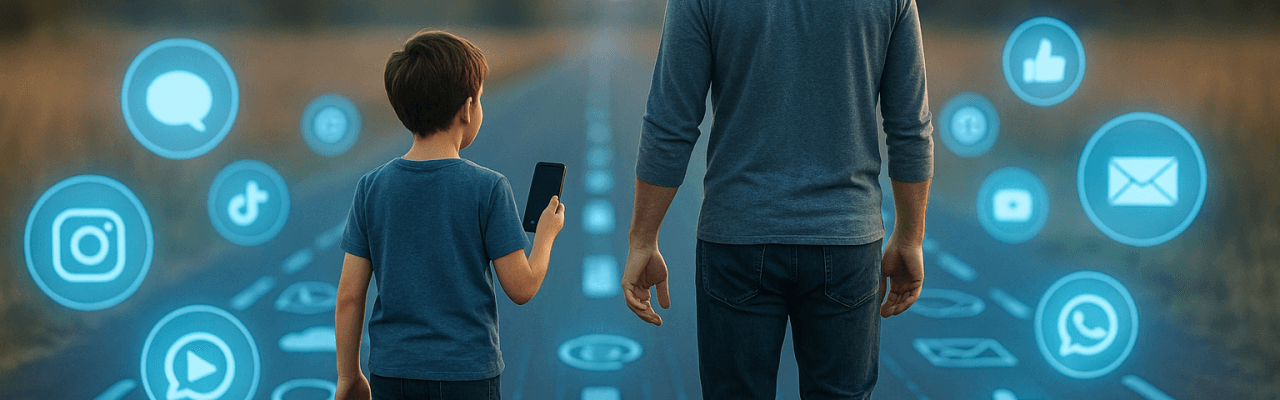
I often compare the digital world to our roads. Think of telecom providers as those who build the highways, responsible for infrastructure. Digital platforms are like car manufacturers, giving us the means to travel.

But just as we don’t expect Toyota or a road company to enforce driver behavior, we shouldn’t expect social media platforms to police every user. That job belongs to regulators.

🌍 A Borderless World, A Regulatory Void

Here’s the problem: roads exist within countries. Each has its own laws and enforcement. But the digital world? It knows no borders. Harmful behavior, bullying, exploitation, and misinformation flow freely across apps, servers, and time zones.

We’re left without a single authority responsible for setting global standards.

🧭 The Need for an Over-Authority

What we’re missing is a global entity, an overarching authority to regulate the digital world. A body with teeth. Not owned by governments or corporations, but with the ability to define and enforce rules that protect the most vulnerable, especially our children.

Sounds like science fiction? It might be. But maybe that’s exactly what we need.

🌌 Sci-Fi Had It Right All Along

Take Star Wars, for example. The Galactic Republic tried to govern thousands of planets through a central senate and shared laws. However, even that grand vision crumbled under the weight of bureaucracy and manipulation.

Today’s digital world faces a similar fate. We don’t need lightsabers or hyperspace, but we do need structure, clarity, and above all: accountability

🛡️ What We’re Doing at PureSight

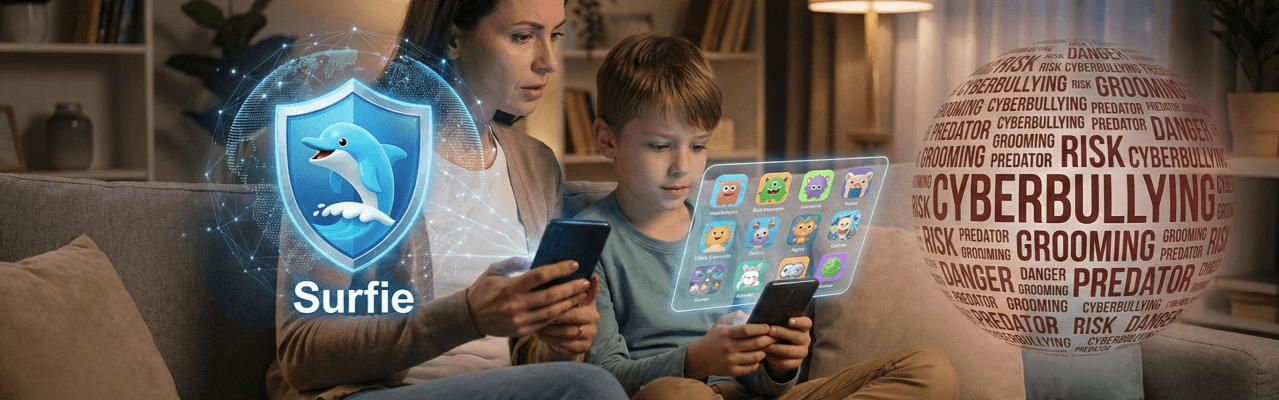
At PureSight, we’re not waiting for global policy to catch up. We’ve built AI-powered tools that empower parents to protect their kids online, right now. Tools that detect risks like cyberbullying, predatory behavior, and harmful content. Tools that work regardless of what the tech giants choose to do.

Because families can’t afford to wait.

🧠 A Call for Vision and Action

Technology alone isn’t enough. We need bold thinking, shared responsibility, and a new kind of regulator for a borderless world. Our kids deserve nothing less.

Let’s build something better for them.

Royi Cohen, CEO of PureSight

Between Screens and Human Connection: Why New York’s Smartphone Ban in Elementary Schools Matters

<< All Resources
Share:

At the beginning of the month, New York Governor Kathy Hochul made headlines by announcing a bold new policy: starting in the 2025–2026 school year, the use of smartphones will be banned in public elementary schools across the state. This is more than just a policy change; it’s a powerful statement of values: let’s give our children back their ability to focus, to learn, and to build real social connections.

Governor Kathy Hochul ’s decision not only puts important regulations in motion, but it also raises critical public awareness. Educators and parents alike have seen the negative effects of constant digital distraction on young children. Following the COVID-19 pandemic, we’ve witnessed firsthand how the lack of in-person interaction has affected our children’s social development. This new initiative creates space, literally and figuratively , for kids to engage with the world around them.

Still, even though the goal is clear and important, the situation is more complicated. Today, digital platforms are a big part of kids’ social lives. Even in elementary schools where smartphones are usually not allowed, teachers sometimes ask students to use them in class, for learning activities or to practice using digital tools. Like it or not, these devices are part of how children learn to live and grow in the modern world.

We, as parents, are living this dilemma every day. On one hand, we want our children to enjoy a screen-free childhood, full of real-life adventures, face-to-face conversations, and undivided attention. On the other hand, we understand that knowing how to use digital tools is no longer a choice. We must teach our kids how to navigate online platforms safely, ethically, and effectively. And to teach them, we sometimes need to let them use these tools.

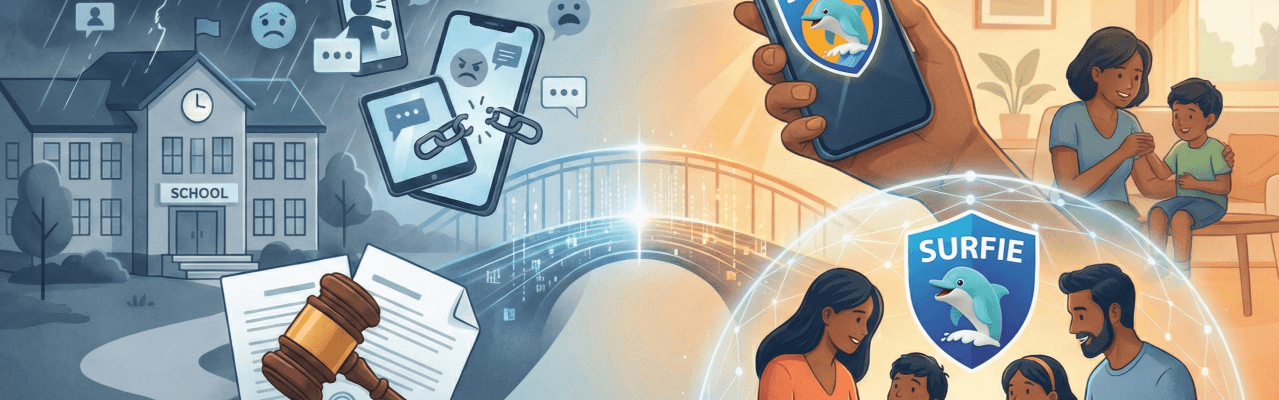
At PureSight, we deeply understand these challenges. That’s exactly why we’ve built our digital parenting tools, Surfie, to help families manage this balancing act. Our AI-powered service provides smart alerts to parents when online threats emerge, such as cyberbullying, sextortion, or predatory behavior, allowing parents to intervene when it matters most.

This is the kind of support families need: not just rules or restrictions, but practical, adaptive tools that allow children to grow safely in both the physical and digital worlds.

So yes, Governor Hochul’s initiative is a big step in the right direction. But let’s also remember that keeping kids safe in the digital age requires more than bans. It requires education, collaboration, and smart solutions that empower both parents and children.

Don’t wait, Schedule Puresight demo today!